New Research Suggests a Natural Approach to Supporting Lung Function May Help Those With Chronic Breathing Difficulties
Pulmonologists are taking a closer look at what happens inside the lungs at the cellular level — and the findings may surprise you.
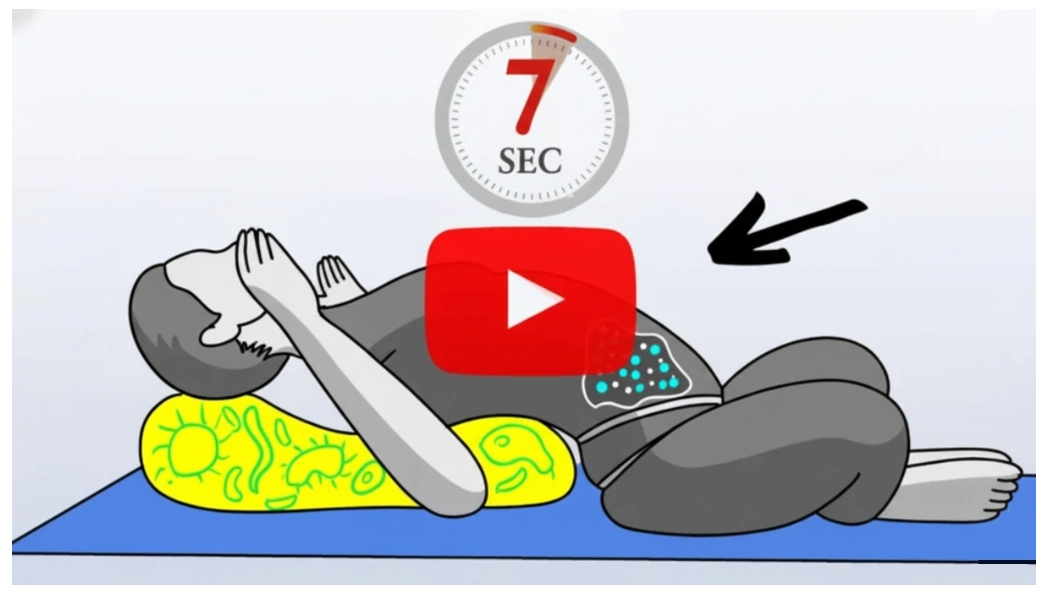
For the millions of Americans living with COPD, chronic bronchitis, or emphysema, the standard approach has long been the same: inhalers, steroids, and ongoing monitoring. But a growing number of independent pulmonologists are asking a different question — are we treating the root cause, or just the symptoms?
Recent research into cellular lung function has drawn attention to a process that most patients have never heard about: the behavior of alveolar capillary junctions — the microscopic exchange points where oxygen enters the bloodstream and waste gases are expelled.
These are tiny structures lining the walls of your air sacs (alveoli). When functioning properly, they allow efficient gas exchange. When compromised by years of environmental exposure, their efficiency can decline significantly — affecting how much oxygen actually reaches your blood.
According to some researchers, this impairment — rather than structural lung damage alone — may explain why so many patients find that their inhalers become less effective over time, even when used as prescribed.
A growing body of evidence points to the role of environmental toxin accumulation in reducing alveolar efficiency. Decades of exposure to dust, smoke, indoor pollutants and chemicals may contribute to reduced junction permeability — effectively limiting how much fresh oxygen gets through with each breath.
The encouraging finding: this appears to be a process that responds to targeted natural support. Several compounds have shown promise in preliminary studies for supporting healthy alveolar function, though researchers stress that more large-scale trials are needed.
- Supporting the body's natural detox pathways may help reduce the toxic load on lung tissue.
- Certain anti-inflammatory foods and compounds appear to support capillary membrane health.
- Breathing exercises designed to gently expand alveolar surface area show measurable effects in small trials.
- Reducing re-exposure to environmental triggers remains one of the most impactful steps.
A Harvard-trained pulmonologist with over 30 years of clinical experience has compiled these findings into a free educational presentation. It covers the science behind alveolar junction function, what compromises it, and a straightforward at-home protocol that requires no prescriptions or special equipment.
▶ Watch the Free Educational PresentationThe presentation is approximately 19 minutes. No registration required. It walks through the clinical evidence in plain language and outlines practical steps that anyone dealing with chronic breathing difficulties can explore — starting today.
▶ Watch Now — Free & No Registration Required